You Are Here > Home > seminars

Mokoro : Seminars

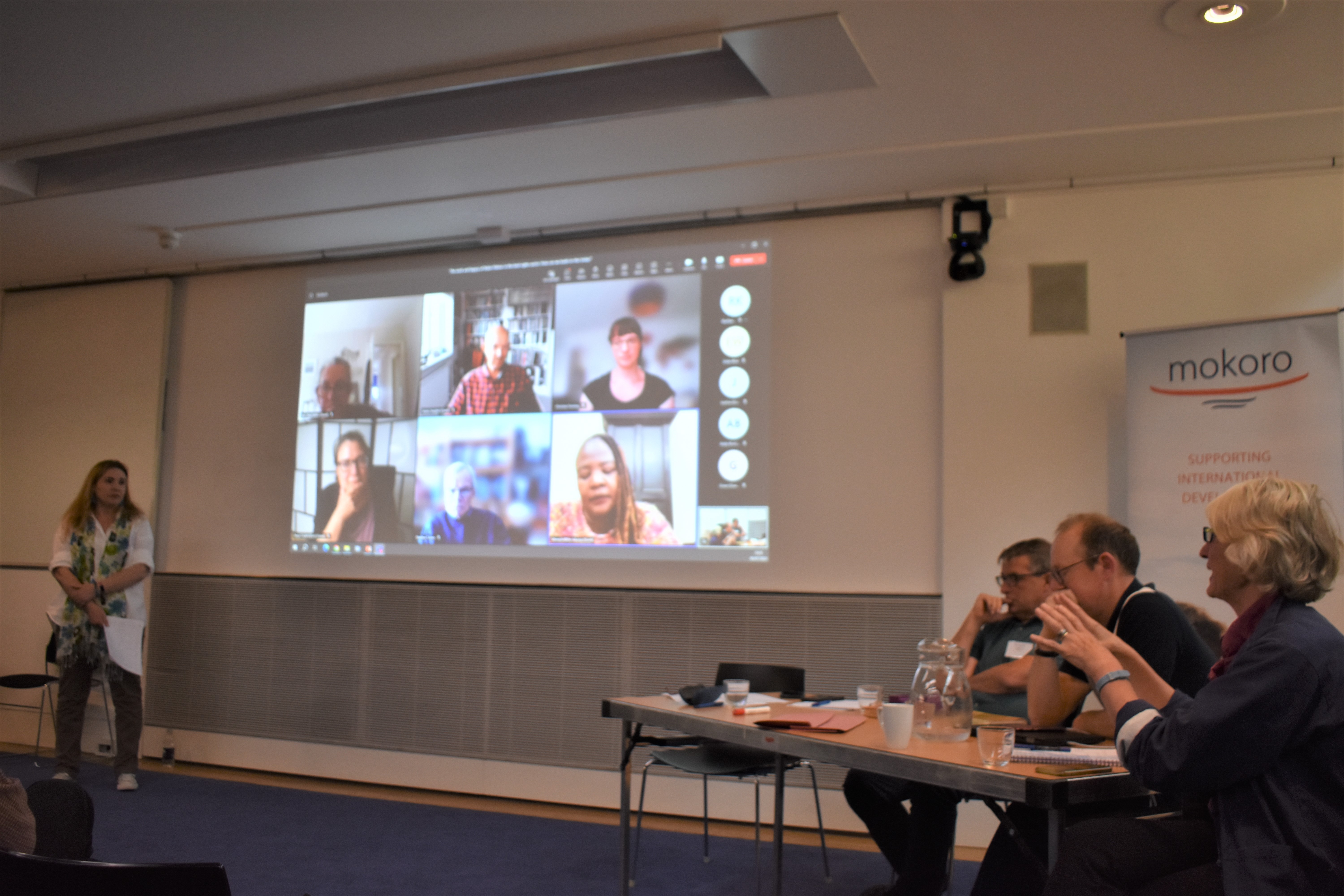
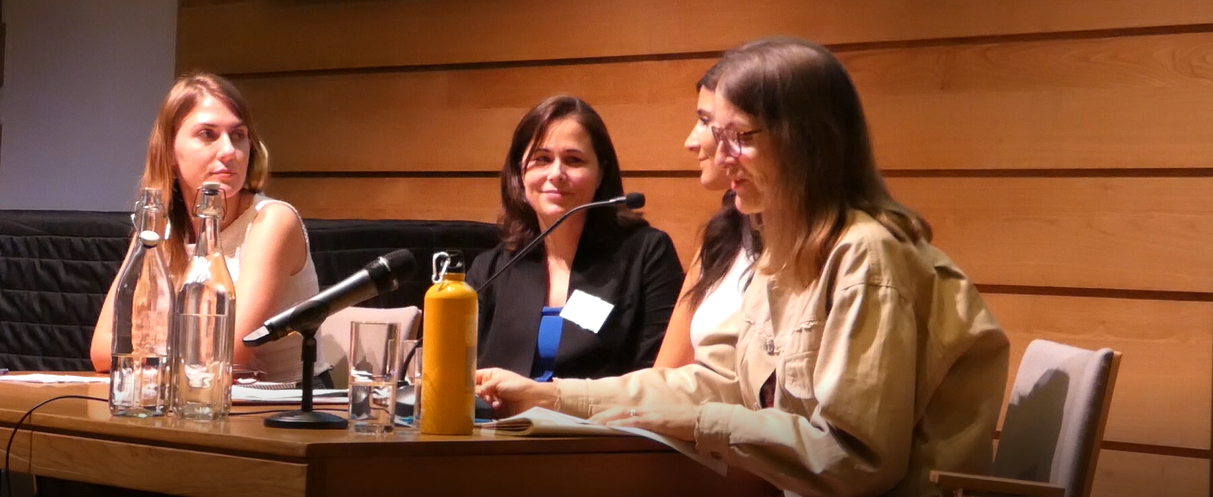
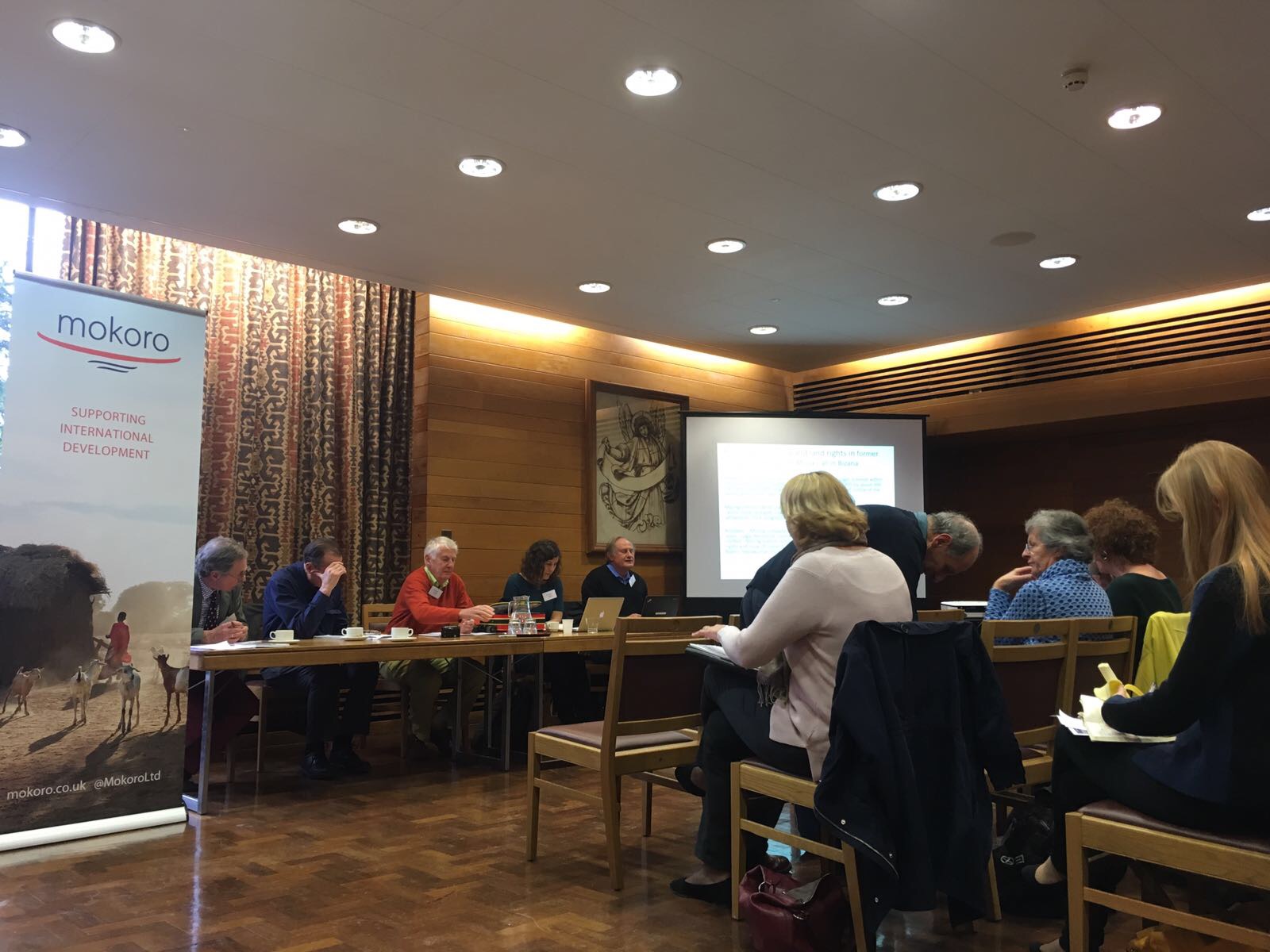
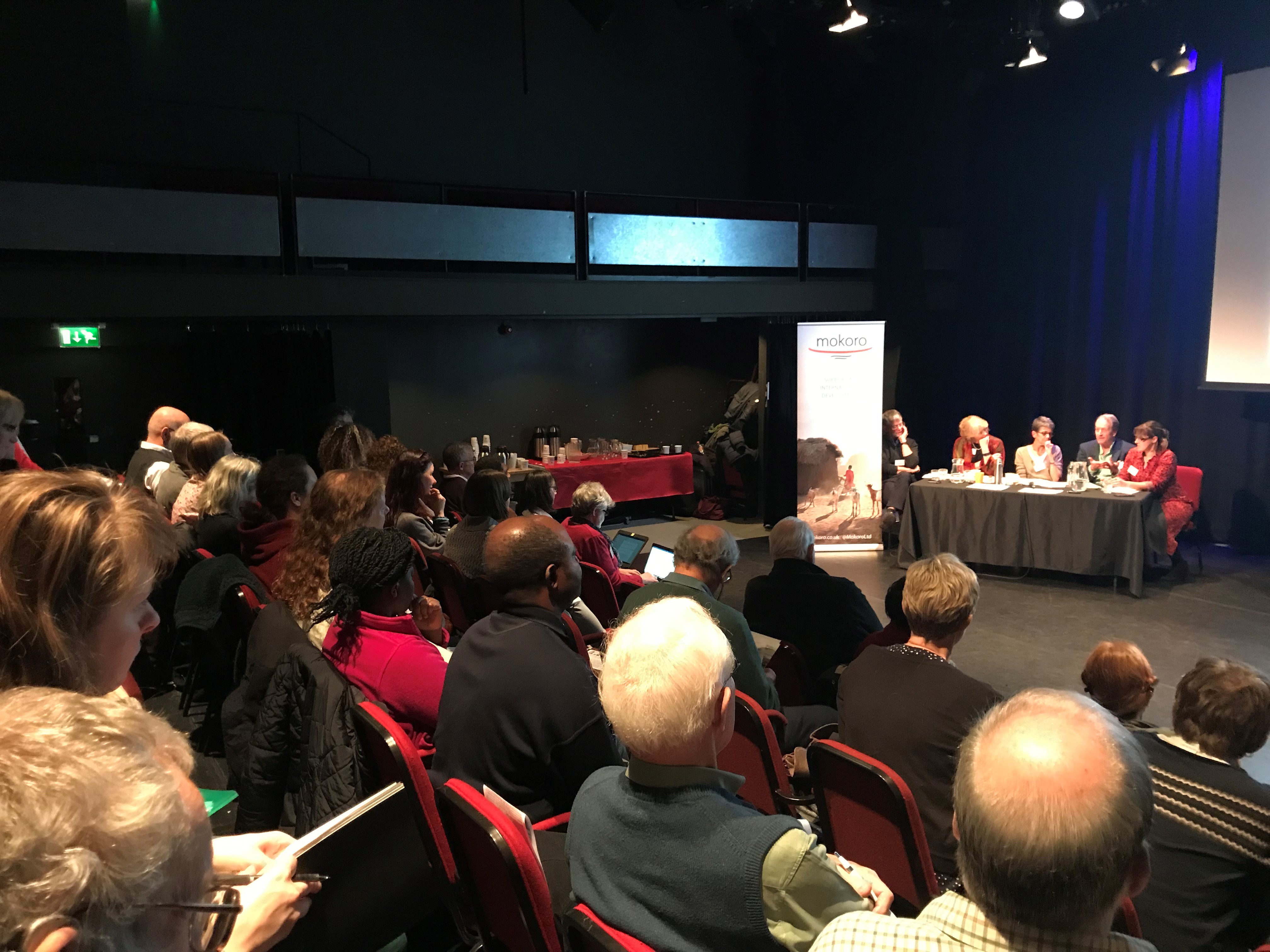
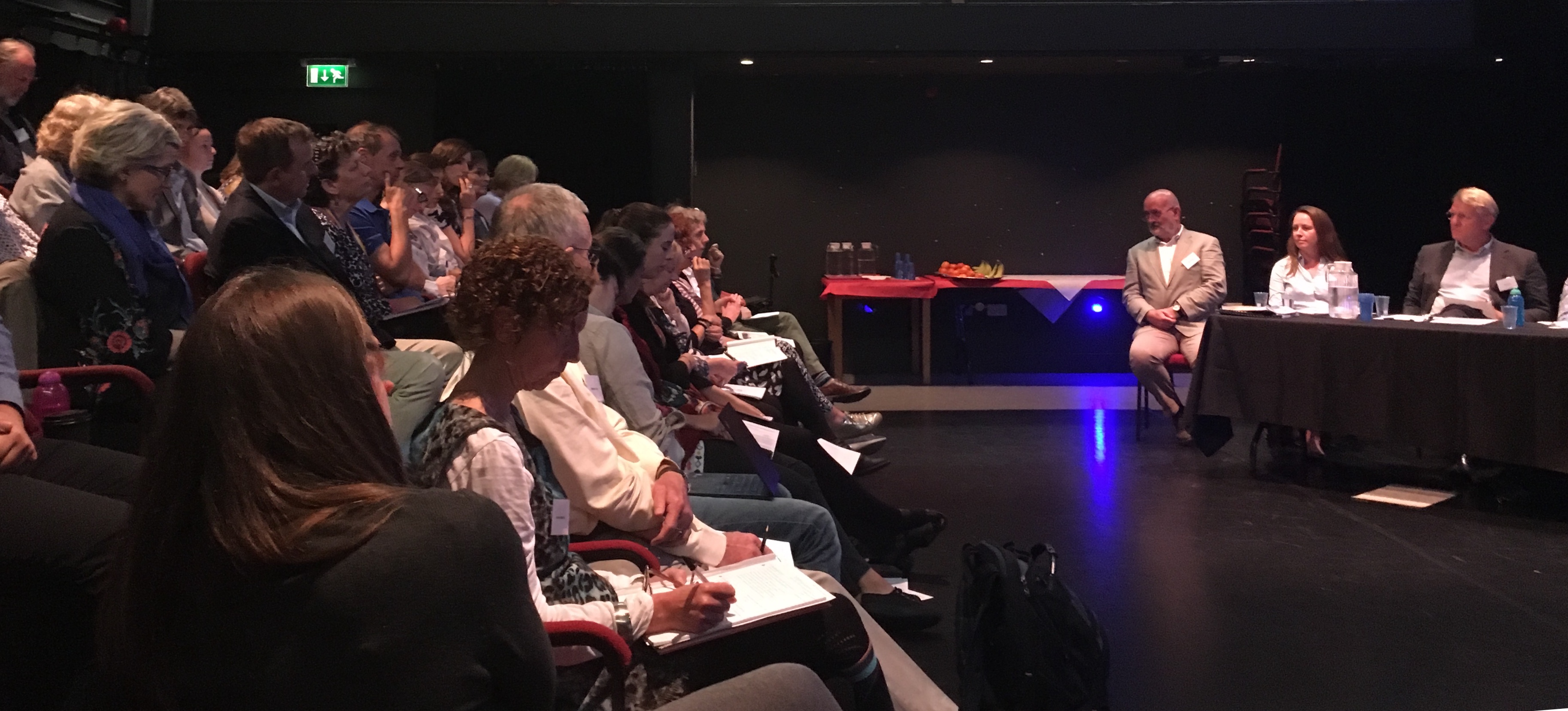
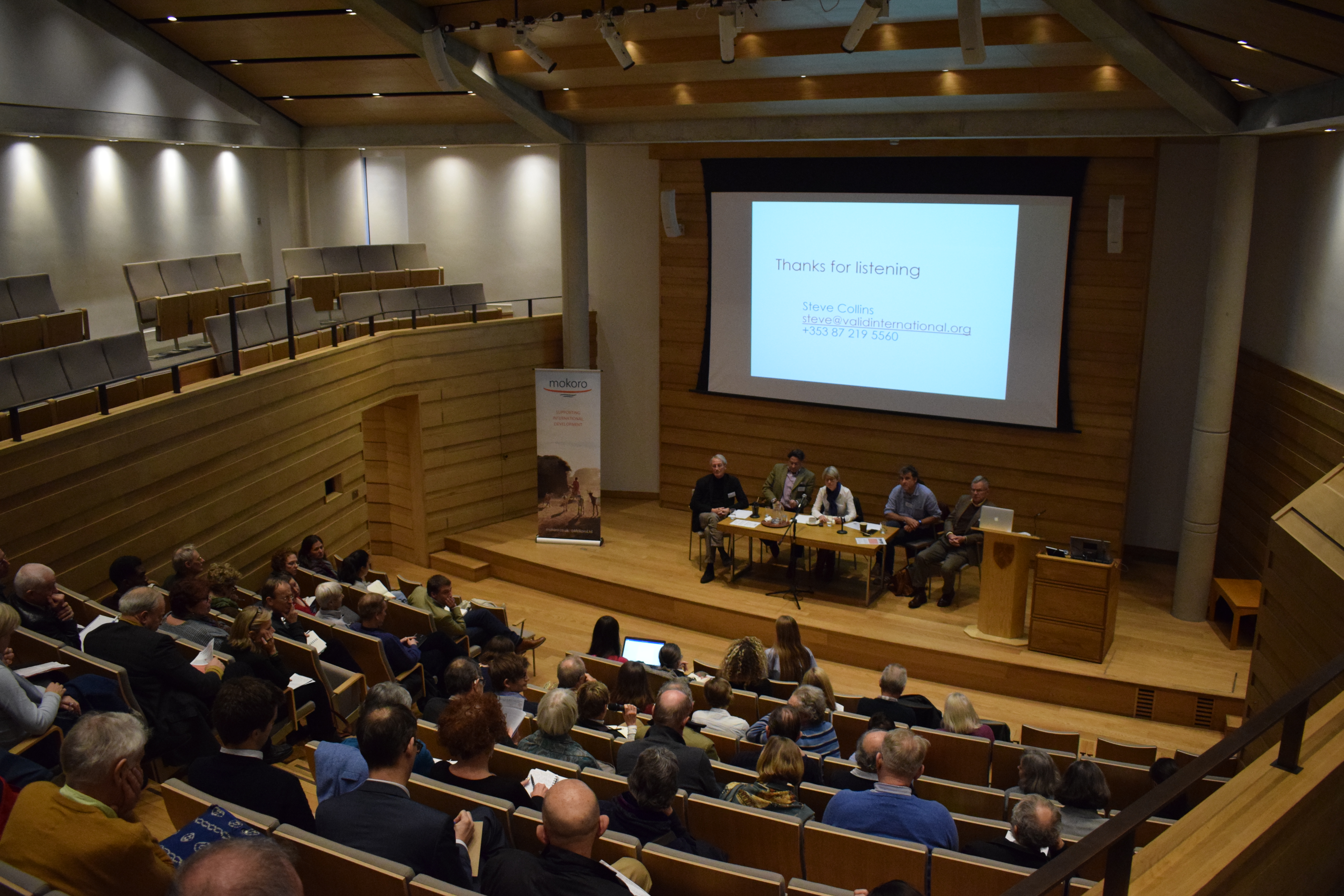
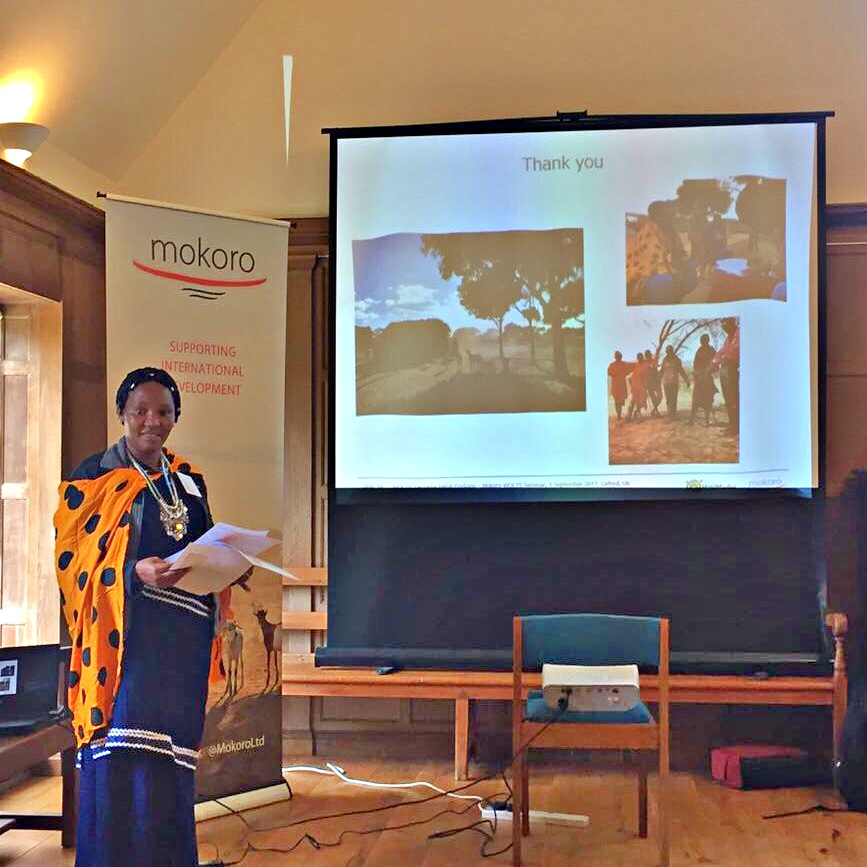
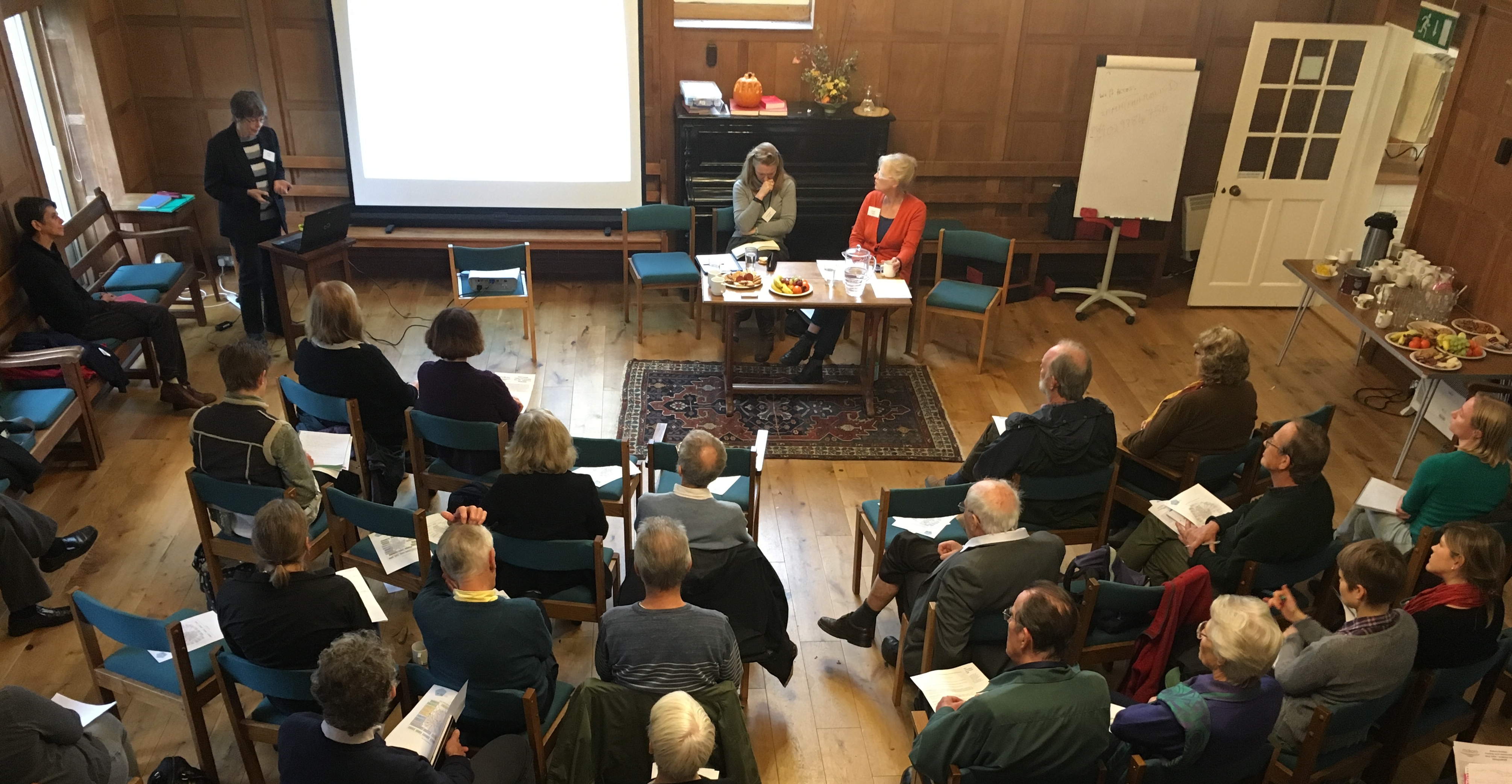
Mokoro holds regular seminars on key development themes, to deepen our understanding of development issues and add to current debates. Our seminars feature Mokoro consultants and other development experts. Our aim is to deliver both informative and thought-provoking sessions and debate.

The seminars are also a chance to meet the Mokoro team and get to know us.

Next Seminar

Mokoro will host its next seminar in April. More details to follow.

Previous Seminars

12/01/2012

With the dust settling from the 4th global high level forum on aid effectiveness, development stakeholders across the world are analysing the gains won and the opportunities lost for improving the way aid is given and spent. Join us for a panel discussion to reflect on the Busan outcomes from the perspective of selected critical themes that dominated discussions at the high level forum: transparency, effective institutions, South-South cooperation and ownership.

22/11/2011

“There’s been a lot of secrecy around these contracts. We are giving our land away. We here in Africa were colonized once we would be stupid to let it happen again”

Faliry Boly, rice farmer from Mali, February 2011.

From the reality of the Mozambican land issues, to the work of international organisations such as FAO, the relevance of gender discussions and the role played by advocacy work and litigation processes, this seminar explored the extremely important and current topic of Land Grabbing.

01/10/2011

This seminar explored the pathways out of conflict and fragility. For an evidence-based debate, it discussed findings from recent influential studies that offer ideas and practical recommendations on how to move beyond conflict and fragility and secure development – the 2011 World Development Report and the 2011 Education For All Global Monitoring Report – and drew on insights from the state-building experiences of Afghanistan.

19/11/2010

Governments in low and middle income countries are recognising what social protection can achieve: some are strengthening their programmes, while others remain wary of the fiscal and social implications. Seminar presenters and discussant offered their ideas on how the concept of social protection has evolved, what the key themes for research and action are, and what the best ways forward may be in Africa.

21/04/2010

This seminar focused on understanding  the possible complementarities between variable-based and case-based evaluation approaches and discussed ‘impact evaluations’, with examples from the Netherlands of how variable-based statistical impact analyses can be embedded in multi-method approaches suited to evaluate complex interventions such as sector development programmes. 

15/10/2009

Over the past decade or so a number of shifts have occurred, leading to new thinking about and methodological progress in the area of monitoring and evaluation of development aid. This seminar aimed to better understand the potential of a number of M&E approaches and designs which seem to have in common the recognition (though this is not always explicit) of the complexity of development.  

07/05/2009

This seminar presented the preliminary results from the recent Sector Budget Support in Practice (SBSiP) study that was carried out by Mokoro Ltd and the Overseas Development Institute on behalf of the Strategic Partnership for Africa. The study examined the experience of Sector Budget Support (SBS) and identified good practices that can be used to improve the future design and implementation of SBS and the policy of partner countries and donors.  

07/01/2009

'Fragile states' has now become an accepted term in some circles whilst in others it is considered as inappropriate. This seminar looked at different angles of this growing area of interest and targeted funding.   

08/07/2008

This seminar looked at issues of aid effectiveness for and beyond Accra, drawing on the latest findings from studies on Paris Declaration implementation, including the 2008 Survey and the Paris Declaration Evaluation. It explored what is understood by "aid effectiveness" and why it is important, in particular looking at the challenges for partner governments when faced with unharmonised aid agencies and projects.  It explored the risks and rewards of using country systems, highlighting findings from the two Mokoro studies.

01/04/2008

While social protection was largely absent from the development agenda two decades ago, development policy-makers and practitioners today pay greater attention to it. There is a realisation that social protection may have a role to play in growth, and that a number of activities such as food security programmes, in danger of getting lost in the new 'growth agenda', might fare better if they are anchored into a wider social protection policy/strategy. Last but not least, social protection may be linked to the empowerment and governance agenda through its transformative dimension.

27/09/2007

The objectives of the seminar were to learn about the design and use of Public Expenditure and Financial Accountability (PEFA) assessments and gain a valuable insight into PEFAs from a practitioner's perspective.

09/01/2007

The fundamental goal of the Wellbeing in Developing Countries (WeD) Research Group at the University of Bath, funded by the ESRC, is to develop a conceptual and methodological framework for understanding the social and cultural construction of wellbeing in developing countries. This seminar was an opportunity for WeD to asses how some of its research findings 'appeal' to Mokoro as a group of practitioners.

Mokoro Ltd, The Old Music Hall, 106-108 Cowley Road, Oxford, OX4 1JE, United Kingdom
|
Telephone: +44 (0)1865 403 179
|
e-mail:
|
Sitemap